
Dental implants are designed as a long-term solution for missing teeth, but, like natural teeth, they can sometimes develop complications. Patients may experience symptoms such as inflammation, infection, bone loss, or even mobility around an implant. When these issues occur, prompt evaluation and specialized treatment are essential to protect the implant and surrounding structures.
At Periodontal Health Associates in Lynchburg, VA, we provide advanced care for patients experiencing failing dental implants, peri-implantitis, or implant complications. As periodontal specialists, Dr. Ryan C. Anderson and Dr. Yailin Diaz Pichardo (Dr. Diaz) are uniquely trained to diagnose and treat conditions affecting the gums and supporting bone around dental implants.
Because periodontics is the core focus of our practice, our doctors have extensive experience managing complex implant cases. With advanced diagnostic technology and modern treatment techniques, we help patients preserve their implants whenever possible or provide solutions when implants must be replaced.
Patients from Lynchburg and surrounding areas often seek our expertise when they notice symptoms around an implant or are referred for specialized periodontal care.
Signs of a Failing Dental Implant
Dental implant complications can develop gradually and may initially present with subtle symptoms. Recognizing these signs early is important, as early intervention can often prevent more serious damage to the implant or surrounding bone.
Common warning signs of a failing dental implant include:
- Bleeding or inflammation around the implant
- Bone loss is visible on dental imaging
- Implant mobility or looseness
- Persistent infection or swelling of the gums
In many cases, these symptoms are caused by inflammation or bacterial infection around the implant. Without proper treatment, this condition can progress, leading to further bone loss or implant instability.
If you notice bleeding, discomfort, or changes around a dental implant, seeking evaluation from a periodontal specialist is an important step toward protecting your oral health.
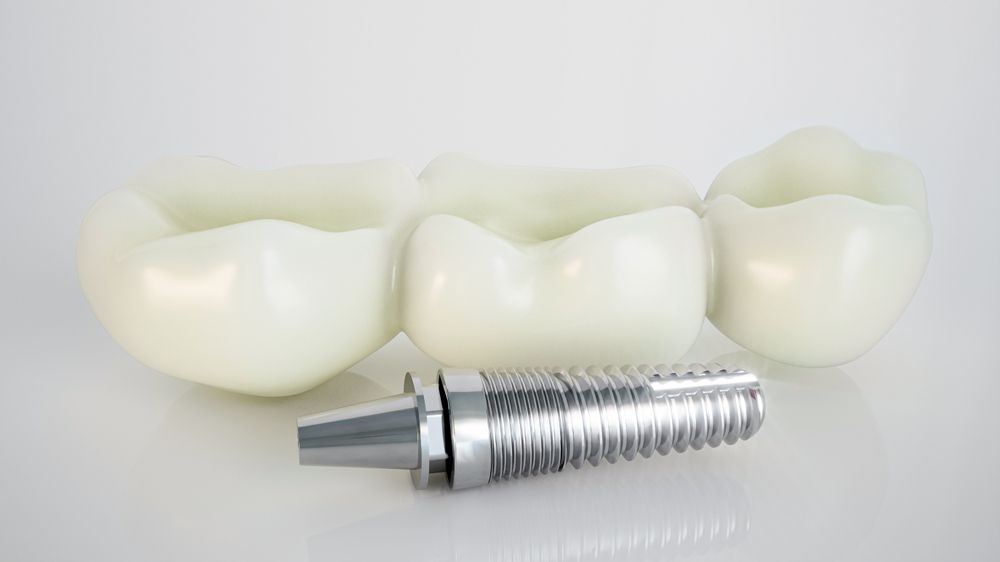
What Is Peri-Implantitis?
One of the most common causes of implant complications is peri-implantitis, an inflammatory condition that affects the tissues surrounding a dental implant.
Peri-implantitis occurs when bacterial biofilm accumulates around the implant surface, leading to inflammation of the gums and progressive loss of the supporting bone. Over time, untreated peri-implantitis can weaken the implant’s foundation and increase the risk of implant failure.
Symptoms of peri-implantitis may include:
- Red or swollen gum tissue around the implant
- Bleeding during brushing or flossing
- Gum recession around the implant crown
- Pus or infection around the implant site
- Gradual bone loss is visible on radiographs
Because implants lack the natural protective structures of teeth, infections around implants can progress more quickly if not properly managed. Early diagnosis and specialized treatment are key to preserving the implant whenever possible.
EMS Guided Biofilm Therapy (GBT)
At Periodontal Health Associates, we utilize advanced technologies designed to treat implant infections while preserving the integrity of the implant surface. One of the most innovative approaches available today is EMS Guided Biofilm Therapy (GBT).
Guided Biofilm Therapy is a modern treatment protocol that focuses on safely removing harmful bacterial biofilm from teeth and implant surfaces. Biofilm is the primary cause of many implant complications, including peri-implantitis.
GBT uses specialized Airflow technology to gently disrupt and remove bacterial buildup without damaging the implant surface.
Benefits of EMS Guided Biofilm Therapy include:
- Minimally invasive treatment approach
- Airflow technology designed to safely remove biofilm
- Effective disruption of harmful bacteria
- Preservation of delicate implant surfaces
This advanced technology is not commonly available in many dental practices, making it an important differentiator in the treatment of implant disease. By targeting biofilm with precision, Guided Biofilm Therapy can help control infection while protecting the implant and surrounding tissues.
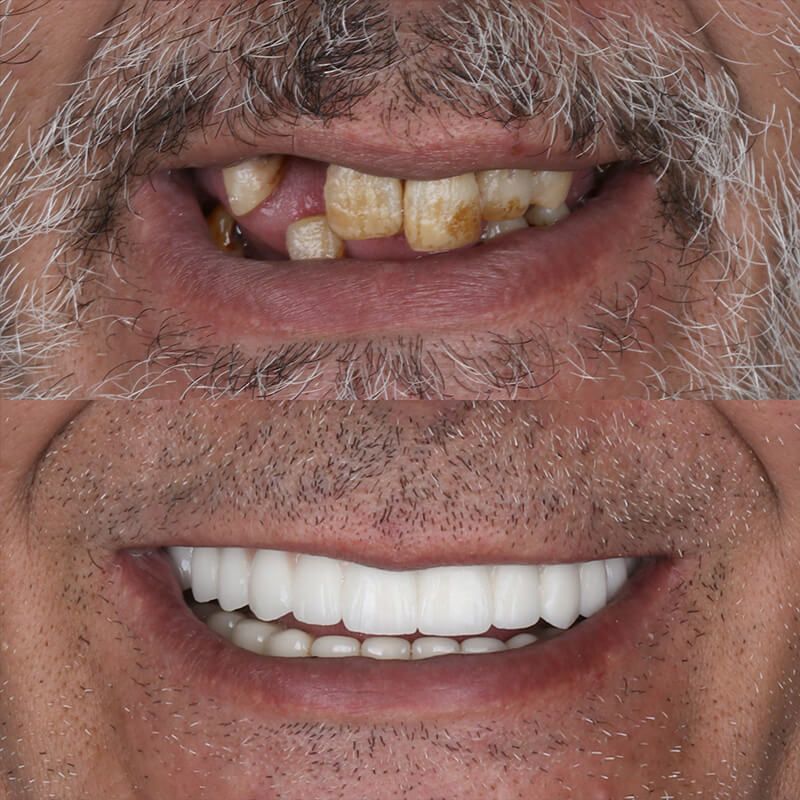
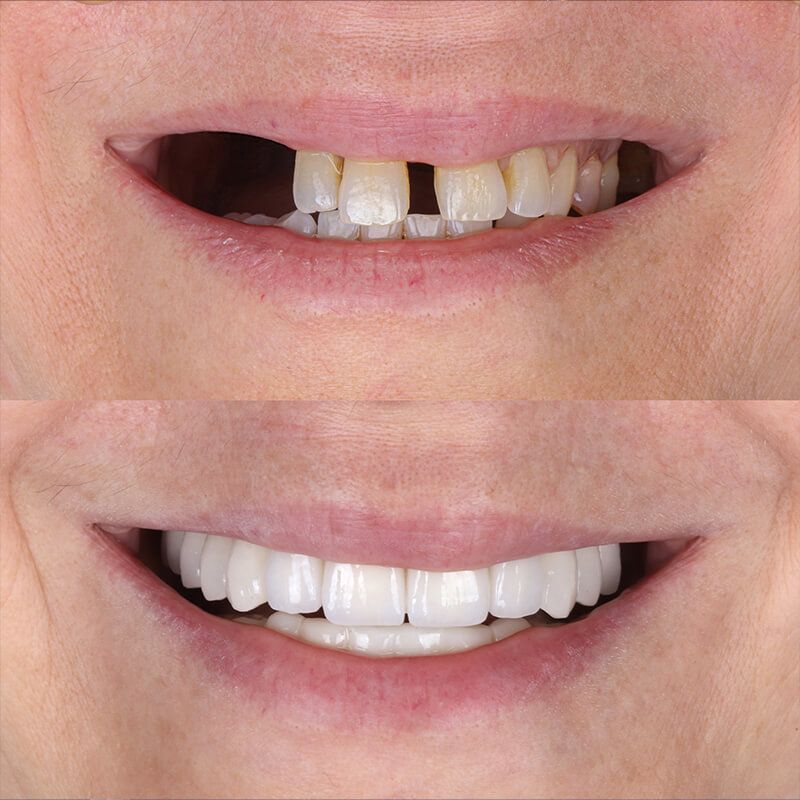
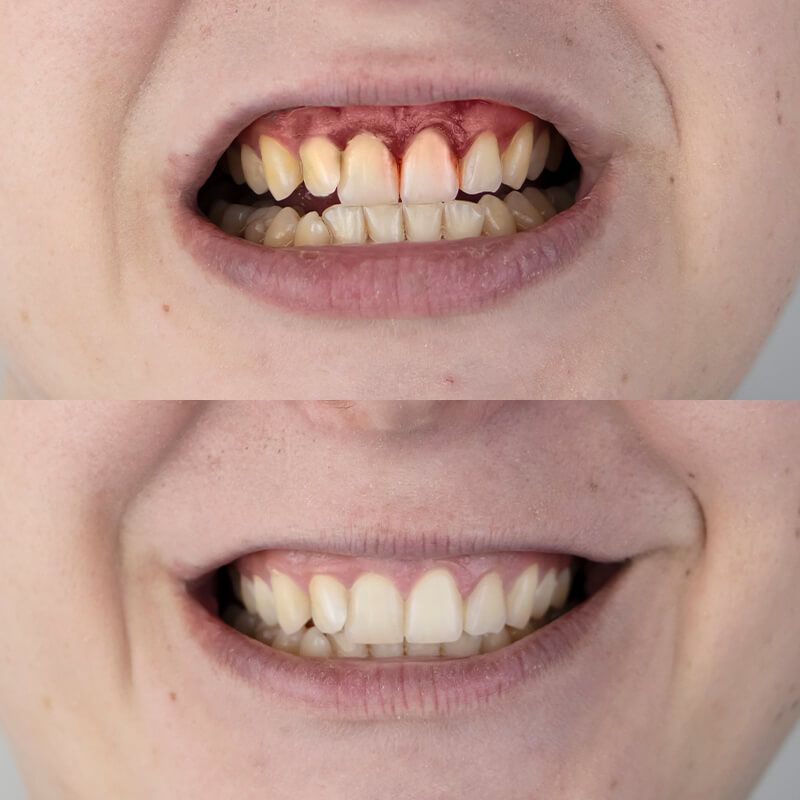
Before & After Gallery
Non-Surgical & Surgical Treatment Options
Treatment for a failing dental implant depends on the severity of the condition and the amount of bone support remaining around the implant. Early-stage problems may be treated with non-surgical therapies designed to control infection and stabilize the implant.
Non-surgical approaches may include professional biofilm removal, specialized cleaning techniques, and antimicrobial therapy designed to reduce bacterial activity around the implant.
In more advanced cases, surgical treatment may be necessary to restore the health of the surrounding tissues and bone.
Potential treatment options may include:
- Regenerative procedures to rebuild lost bone
- Surgical decontamination of implant surfaces
- Soft tissue grafting to improve gum health
- Explant and replacement if the implant cannot be saved
When an implant cannot be preserved, our doctors may recommend removing it and planning a future replacement once the surrounding tissues have healed.
Because implant complications can be complex, treatment requires specialized knowledge of both implant systems and periodontal biology.
Second Opinions for Implant Complications
Patients experiencing implant problems often seek a second opinion before deciding on treatment. At Periodontal Health Associates, we frequently evaluate patients who have received implants elsewhere but are experiencing complications such as infection, discomfort, or implant instability.
As a periodontal specialty practice, we serve as a referral center for complex implant cases and complications. Our doctors work closely with general dentists and restorative specialists to help determine the best course of action for preserving or restoring implant health.
Patients may seek a second opinion if they have been told an implant has failed or if they are unsure about the recommended treatment plan.
During these evaluations, our doctors carefully assess:
- The condition of the surrounding bone and gum tissue
- The stability of the implant
- The presence of infection or inflammation
- Potential options for saving or replacing the implant
This comprehensive evaluation allows patients to make informed decisions about their treatment and long-term oral health.
Expert Implant Care in Lynchburg, VA
Dental implants are an important investment in your oral health, and complications should always be evaluated by a specialist experienced in treating the supporting structures of the teeth and implants.
At Periodontal Health Associates in Lynchburg, VA, our team provides advanced care for failing dental implants, peri-implantitis, and implant complications. Dr. Ryan C. Anderson and Dr. Yailin Diaz Pichardo (Dr. Diaz) combine specialized periodontal expertise with modern technology to help patients preserve their implants and restore healthy gum and bone support.
Dr. Diaz is also fluent in English and Spanish, allowing Spanish-speaking patients to comfortably discuss treatment options and receive care in their preferred language.
If you are experiencing symptoms of a loose dental implant, implant infection, or peri-implantitis, scheduling an evaluation is the first step toward protecting your smile and restoring long-term implant health.