
Healthy gums and supporting bone are essential for maintaining strong, stable teeth. When bacteria accumulate along the gumline, they can lead to inflammation and infection that damages these supporting structures. Without treatment, this condition can progress and eventually lead to tooth loss.
At Periodontal Health Associates in Lynchburg, VA, we specialize in diagnosing and treating gum disease (periodontal disease). As periodontal specialists, Dr. Ryan C. Anderson and Dr. Yailin Diaz Pichardo (Dr. Diaz) provide advanced periodontal therapy designed to stop the progression of gum disease and restore gum and supporting bone health.
Periodontics focuses specifically on the structures that support teeth, including the gums, bone, and connective tissues. Because gum disease is one of the leading causes of tooth loss in adults, early diagnosis and professional periodontal care are essential for protecting long-term oral health.
Through modern treatment techniques, advanced diagnostics, and personalized care, our team helps patients control infection, preserve natural teeth whenever possible, and restore a healthy foundation for their smiles.
What Is Periodontal Disease?
Periodontal disease, commonly known as gum disease, is a bacterial infection that affects the tissues supporting the teeth. It begins when plaque and bacteria accumulate along the gumline and trigger inflammation in the surrounding gum tissue.
In the early stage of gum disease, known as gingivitis, the gums may become red, swollen, and prone to bleeding. At this stage, the condition is often reversible with professional care and improved oral hygiene.
If left untreated, gum disease can progress into periodontitis, a more advanced stage of infection that affects the bone supporting the teeth. As the disease progresses, the gums begin to pull away from the teeth, creating pockets where bacteria accumulate. Over time, this infection can destroy bone and connective tissue, eventually causing teeth to become loose or fall out.
Because periodontal disease often develops gradually, many patients do not realize they have the condition until significant damage has occurred. Regular periodontal evaluations help identify early signs of gum disease so that treatment can begin before the condition worsens.
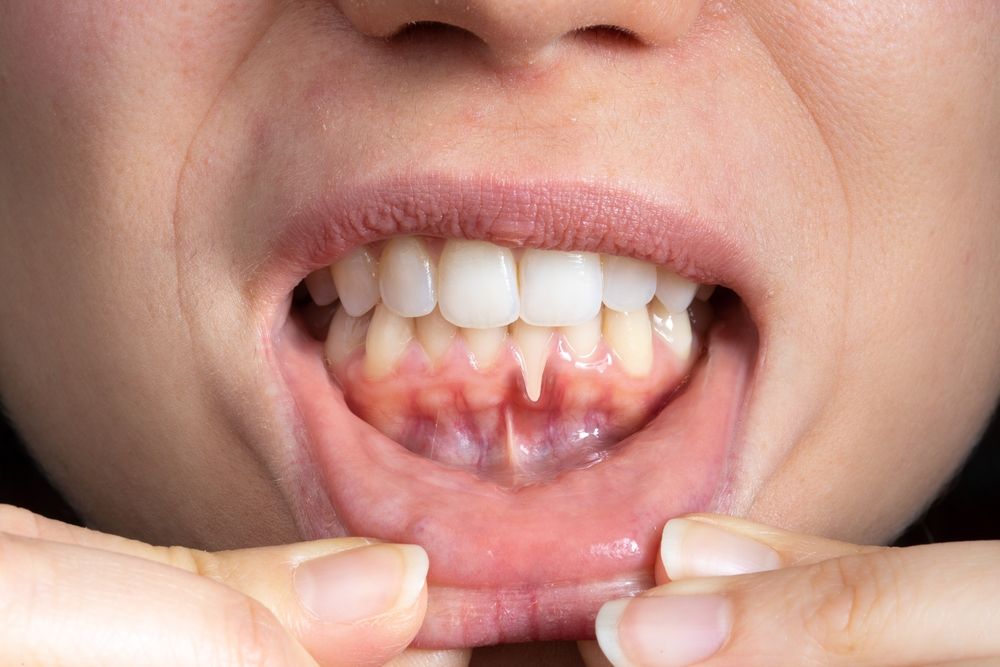
Symptoms of Gum Disease
Gum disease can present with a variety of symptoms, although some patients experience little discomfort until the condition becomes advanced. Recognizing early warning signs is important for preventing more serious complications.
Common symptoms of gum disease may include:
- Red, swollen, or tender gums
- Bleeding during brushing or flossing
- Persistent bad breath
- Receding gums or teeth appearing longer
- Loose or shifting teeth
- Pus or infection around the gumline
As periodontal disease progresses, the supporting bone around the teeth may gradually deteriorate. This can lead to tooth mobility and changes in bite alignment.
If you notice any of these symptoms, seeking evaluation from a periodontist near you can help determine whether periodontal therapy is needed to control the infection and protect your teeth.
Non-Surgical Treatment
In many cases, early to moderate gum disease can be treated with non-surgical periodontal therapy designed to remove bacteria and restore healthy gum tissue.
One of the most common treatments is scaling and root planing, a deep-cleaning procedure that removes plaque, tartar, and bacterial toxins beneath the gumline. This process smooths the tooth roots, helping the gums reattach to the teeth and reducing periodontal pockets.
Non-surgical treatment focuses on controlling the bacterial infection and improving gum tissue health. Depending on the severity of the condition, treatment may involve:
- Scaling and root planing (deep cleaning)
- Antimicrobial therapies
- Professional periodontal maintenance
- Improved home care techniques
These treatments help reduce inflammation and create an environment that allows the gums to heal. In many cases, early periodontal therapy can stabilize the condition and prevent further damage to the supporting bone.
Surgical Periodontal Therapy
When gum disease has progressed to an advanced stage, surgical treatment may be necessary to restore periodontal health. Surgical procedures allow our doctors to access deeper areas of infection and repair damage caused by periodontal disease.
Periodontal surgery may involve reducing periodontal pockets, removing diseased tissue, or rebuilding areas of lost bone.
Depending on the condition of the gums and bone, surgical treatment options may include:
- Pocket reduction procedures
- Regenerative procedures to rebuild bone
- Soft tissue grafting to restore gum tissue
- Crown lengthening for improved tooth structure
Regenerative procedures use advanced techniques to encourage the body to rebuild bone and supporting tissues that were damaged by infection. These treatments can help stabilize teeth and improve the long-term health of the gums.
Because periodontal specialists receive extensive training in surgical procedures involving the gums and bone, they are uniquely qualified to perform these advanced treatments.
Before & After Gallery
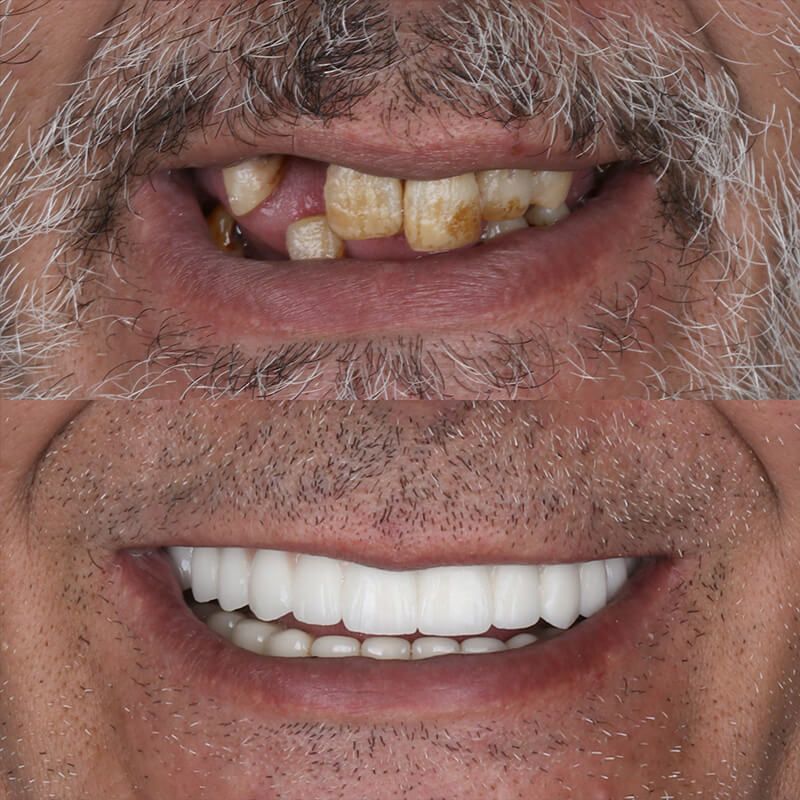
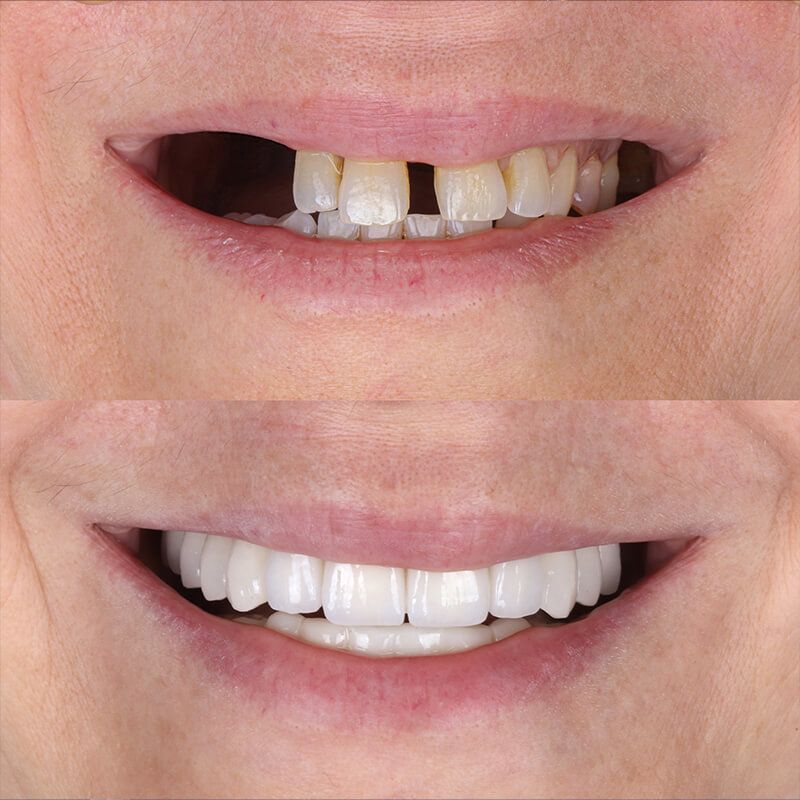
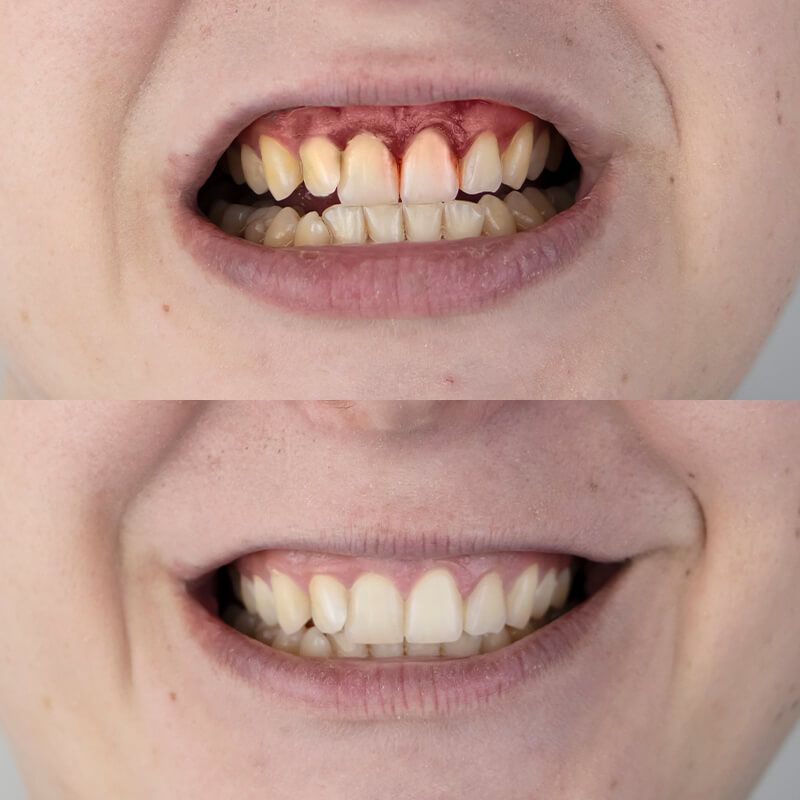
Saving Teeth vs Replacing Teeth
One of the primary goals of periodontal therapy is to preserve natural teeth whenever possible. Healthy, natural teeth are often the best option for long-term oral function and stability, which is why early treatment of gum disease is so important.
When periodontal disease is diagnosed early, treatment can often stop the infection and allow the gums and bone to stabilize. This may allow patients to maintain their natural teeth for many years.
However, in some cases, gum disease may have progressed to the point where certain teeth can no longer be predictably saved. When this occurs, our doctors may discuss replacement options designed to restore function and maintain oral health.
Modern tooth replacement solutions, such as dental implants, can provide a stable and long-lasting alternative when teeth are lost due to advanced periodontal disease. Because implants rely on healthy bone and gum tissue for support, periodontal treatment often plays an important role in preparing the mouth for future implant placement.
At Periodontal Health Associates, our doctors work closely with patients to determine the most appropriate treatment approach, whether that involves saving natural teeth through periodontal therapy or restoring missing teeth with advanced implant solutions.
Gum Disease Treatment in Lynchburg, VA
Gum disease is a serious condition that can affect both oral health and overall well-being if left untreated. Early diagnosis and specialized care from a periodontal expert can help prevent tooth loss and restore healthy gums.
At Periodontal Health Associates in Lynchburg, VA, we provide comprehensive periodontal care designed to treat gum disease at every stage. Dr. Ryan C. Anderson and Dr. Yailin Diaz Pichardo (Dr. Diaz) combine advanced periodontal expertise with modern treatment technology to help patients protect their natural teeth and maintain long-term oral health.
Dr. Diaz is also fluent in English and Spanish, allowing Spanish-speaking patients to comfortably discuss their treatment options and receive care in their preferred language.
If you are experiencing symptoms of gum disease or searching for a periodontist near you, scheduling a periodontal evaluation is the first step toward restoring healthy gums and protecting your smile.