
Dental implants require a strong and stable foundation in the jawbone to function properly. When a tooth has been missing for a long time or has been lost due to trauma, infection, or periodontal disease, the surrounding bone may gradually shrink. In these situations, bone grafting procedures can help rebuild the jawbone and prepare the area for successful dental implant placement.
At Periodontal Health Associates in Lynchburg, VA, we provide advanced bone grafting and sinus elevation procedures designed to restore lost bone and create a stable environment for dental implants. These regenerative procedures allow many patients who previously lacked sufficient bone to become candidates for implant treatment.
As periodontal specialists, Dr. Ryan C. Anderson and Dr. Yailin Diaz Pichardo (Dr. Diaz) have extensive training in procedures that regenerate bone and support the long-term success of dental implants. Their expertise in periodontics allows them to carefully evaluate each patient’s bone structure and develop treatment plans that promote healthy healing and predictable outcomes.
By combining modern regenerative techniques with advanced imaging and planning technology, our team helps patients restore the foundation needed for successful implant dentistry.
Why Bone Grafting Is Sometimes Necessary
The jawbone naturally changes over time when teeth are missing. Without stimulation from the tooth root, the bone in that area can gradually deteriorate. This process, known as bone resorption, can reduce both the height and width of the jawbone.
For dental implants to be placed successfully, there must be sufficient bone to securely support them. When bone loss has occurred, bone grafting procedures may be recommended before implant placement to rebuild the necessary support.
Bone grafting can help:
- Restore lost bone structure
- Improve implant stability and long-term success
- Preserve the natural shape of the jaw and gums
- Prepare the site for future implant placement
In many cases, bone grafting can make dental implant treatment possible for patients who were previously told they did not have enough bone.
Because periodontists specialize in the structures that support teeth, they are uniquely trained to perform regenerative procedures that rebuild bone and protect the health of surrounding tissues.
Types of Bone Grafting
Several types of bone grafting procedures may be used depending on the amount and location of bone loss. Each procedure is designed to rebuild the jawbone while supporting natural healing and integration.
Common bone grafting techniques include:
- Ridge augmentation
- Guided bone regeneration
- Socket preservation
Ridge augmentation is used when the jawbone has lost width or height after a tooth has been missing for an extended period. This procedure restores the bone’s shape so that dental implants can be placed in an ideal position.
Guided bone regeneration uses specialized membranes and grafting materials to encourage the body to rebuild bone in areas where it has been lost. This approach allows new bone to grow while protecting the healing site from surrounding soft tissues.
Socket preservation is performed immediately after a tooth extraction. By placing bone graft material into the extraction site, this procedure helps maintain the shape and volume of the jawbone, preventing significant bone loss while preparing the area for a future dental implant.
Each technique is carefully selected based on the patient’s individual needs and long-term treatment goals.
Sinus Lift Procedures
When dental implants are needed in the upper back jaw, bone height may sometimes be limited due to the presence of the maxillary sinus, an air-filled space located above the upper molars.
In these situations, a sinus lift procedure, also known as sinus elevation, may be recommended to create additional bone volume in the upper jaw.
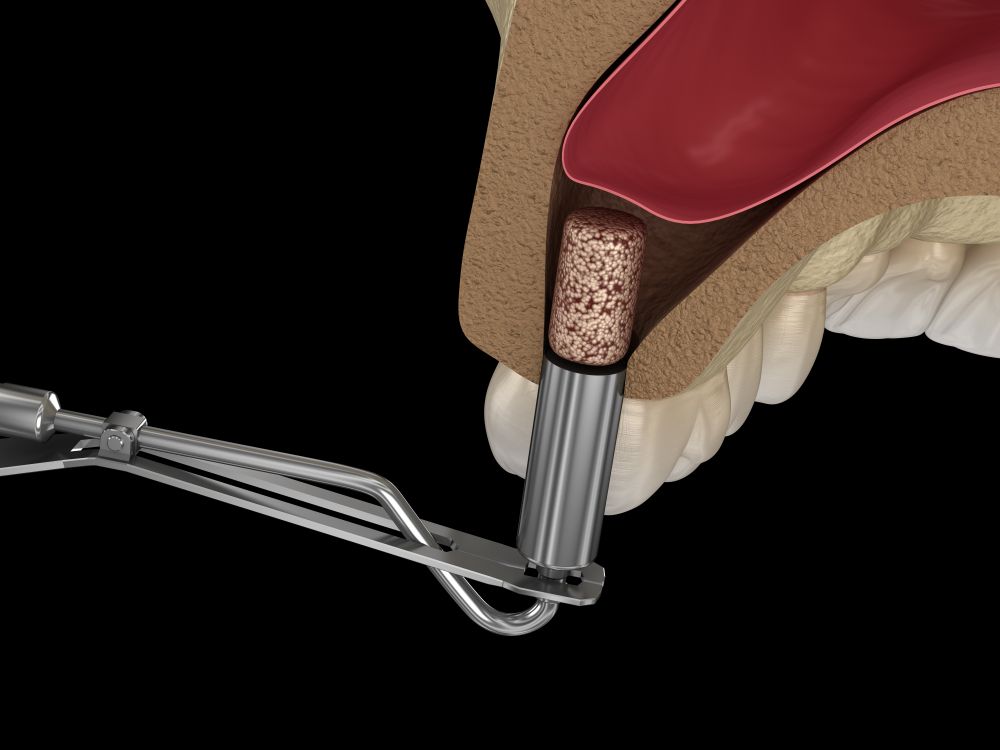
During a sinus lift, the sinus membrane is gently elevated, and bone graft material is placed beneath it. Over time, the graft integrates with the surrounding bone, creating enough height and density to support a dental implant.
There are two primary types of sinus lift procedures:
- Internal sinus lift
- Lateral window sinus lift
An internal sinus lift is typically performed when only a small amount of additional bone height is needed. The sinus membrane is gently lifted through the implant site, allowing graft material to be placed during implant surgery.
A lateral window sinus lift is used when more significant bone augmentation is required. In this procedure, a small window is created in the side of the upper jawbone to access and elevate the sinus membrane before placing the bone graft.
Both techniques are designed to safely create the necessary bone support for dental implants in the upper jaw.
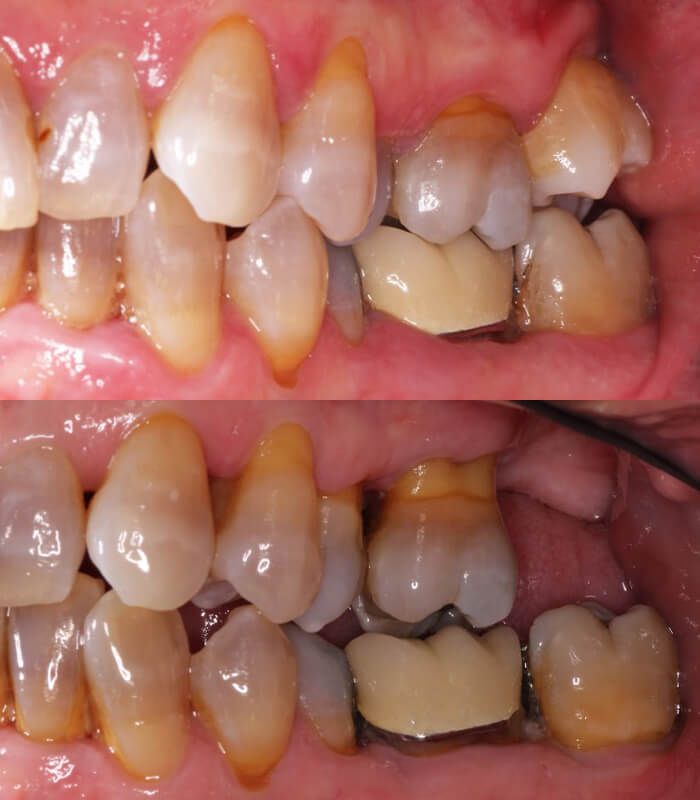
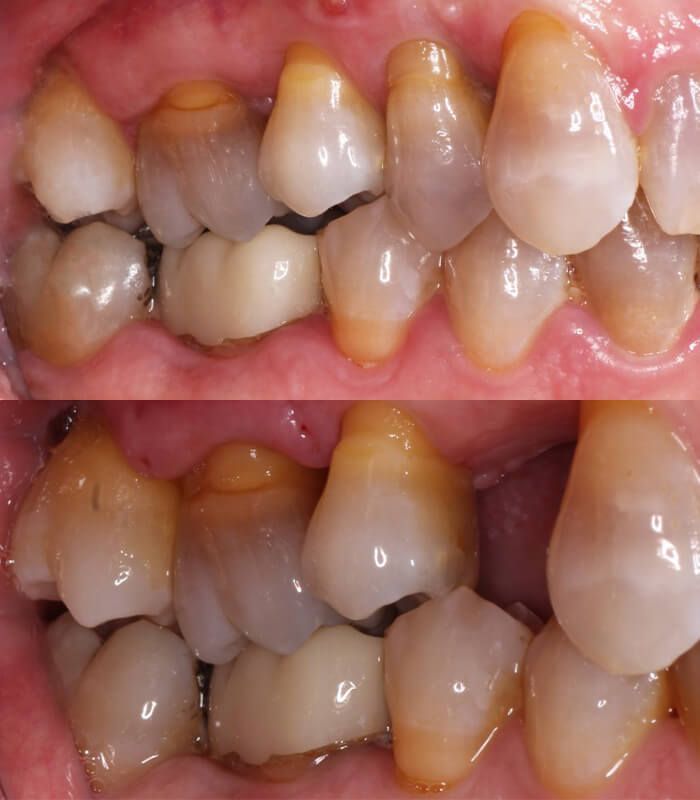
Before & After Gallery
Advanced Regenerative Techniques
Modern periodontal procedures allow bone and soft tissues to regenerate more predictably than ever before. At Periodontal Health Associates, advanced regenerative techniques are used to encourage the body’s natural healing process while rebuilding lost bone structure.
Regenerative procedures may include the use of specialized grafting materials, protective membranes, and biologic technologies that support new bone formation. These techniques help guide the body’s healing response and promote the development of healthy, stable bone around future implant sites.
Careful planning is essential for successful regenerative treatment. Our team uses advanced imaging technology, such as 3D cone beam CT scans, to evaluate the patient’s bone structure and determine the most appropriate treatment approach.
Through precise surgical techniques and modern regenerative methods, bone grafting procedures can significantly improve the likelihood of successful implant placement.
Expert Bone Grafting Care in Lynchburg, VA
Bone grafting and sinus elevation procedures play an important role in modern implant dentistry, allowing many patients to restore missing teeth even after significant bone loss.
At Periodontal Health Associates in Lynchburg, VA, our team specializes in advanced periodontal procedures designed to rebuild the foundation needed for successful dental implants. Dr. Ryan C. Anderson and Dr. Yailin Diaz Pichardo (Dr. Diaz) combine specialized training, modern technology, and ongoing education to provide patients with predictable and effective regenerative treatment.
Dr. Diaz is also fluent in English and Spanish, helping Spanish-speaking patients feel comfortable discussing their care and treatment options.
If you have been told that you do not have enough bone for dental implants, scheduling a consultation may reveal new treatment options. Bone grafting and sinus lift procedures can often restore jawbone volume and provide the support needed for long-term implant success.